Government Announces Mandatory National Service Amid “Totally Hypothetical” War Scare
In a shock move that’s got the nation reaching for its emergency tea supplies, Prime Minister Sir Keir Starmer today unveiled plans for compulsory national service, insisting it’s “absolutely not conscription” and definitely not because of any impending global kerfuffle.
The announcement comes just days after the government repeatedly swore blind there were “no plans” for such a thing, proving once again that in British politics, “no plans” means “hold my pint, watch this.”
Flanked by Defence Secretary John Healey and a slightly bewildered-looking Army chief, Starmer explained the new “Voluntary-But-You’ll-Be-Fined-If-You-Don’t” National Resilience Programme. All 18- to 25-year-olds will be required to choose between 12 months in the armed forces or one weekend a month “community boosting” – such as delivering Meals on Wheels, cyber-defending the NHS from hackers, or teaching pensioners how to use TikTok without accidentally joining a Russian bot farm.
“This isn’t about war,” Starmer stressed, sweating profusely while glancing at a map showing mysterious red arrows pointing towards Europe. “It’s about building character, fostering unity, and ensuring our young people have transferable skills. Like how to dig a trench quickly or politely queue under mortar fire.”
Critics were quick to pounce. Shadow Defence Secretary James Cartlidge called it “a desperate rehash of Rishi Sunak’s 2024 election gimmick, but with extra bureaucracy and less funding.” Meanwhile, Gen Z influencers on TikTok launched the hashtag #DraftDodgingDanceChallenge, featuring viral videos of teens pretending to be “essential workers” in vape shops to claim exemption.
The scheme’s finer details raised eyebrows – and not just from the Botox brigade in Westminster. Exemptions will reportedly include professional footballers (“vital for national morale”), anyone with a note from their mum, and influencers with over 100,000 followers (“key to psychological warfare operations”). Conscientious objectors can opt for alternative service, such as manning helplines for panicked parents or reorganising the House of Commons tea trolley.
In a leaked memo, Army recruiters admitted the forces are currently “the smallest since Napoleon was moaning about the weather at Waterloo,” and expressed hope that conscripts might finally fill those empty barracks. One sergeant major was overheard muttering, “We’ll turn these Fortnite warriors into proper soldiers – or at least teach them to iron a uniform without burning the Union Jack.”
Public reaction was mixed. In Glasgow, one pensioner cheered: “About time! In my day, we did two years and only complained a little.” A London student countered: “Mate, I’ve got exams, a part-time job at Pret, and a situationship to maintain. Ain’t nobody got time for bayonet practice.”
Downing Street sources denied the timing has anything to do with escalating global tensions, insisting the pilot scheme launching in March is purely coincidental. “We’re just preparing for… resilience,” a spokesperson said, before adding, “Stock up on tinned beans, yeah?”
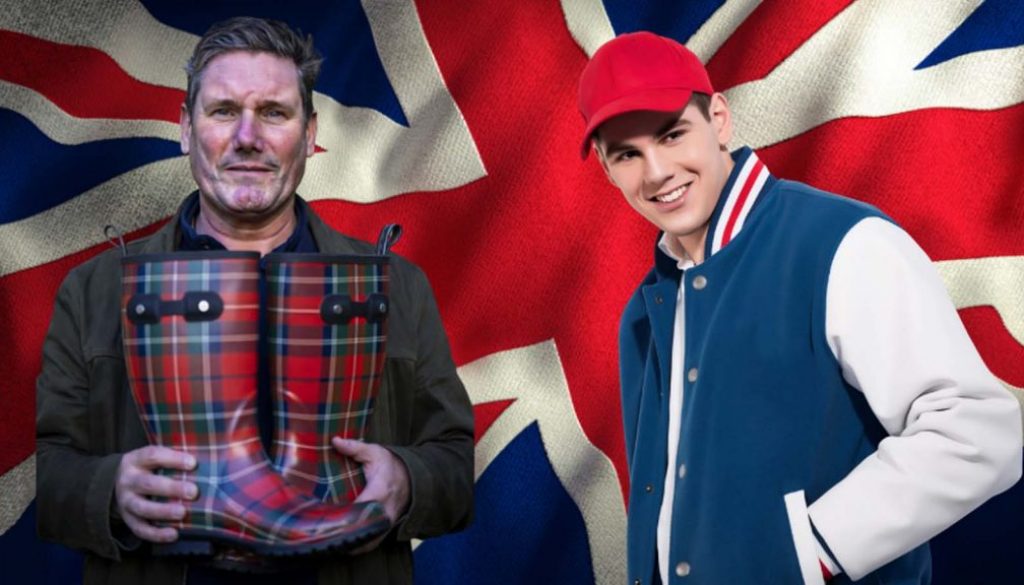
As the nation debates whether this is bold leadership or a Dad’s Army reboot, one thing’s clear: Britain’s youth are about to learn that “national service” means serving the nation – whether they like it or not. God save the King, and pass the camouflage wellies.