Epstein Files: Mostly Black Bars
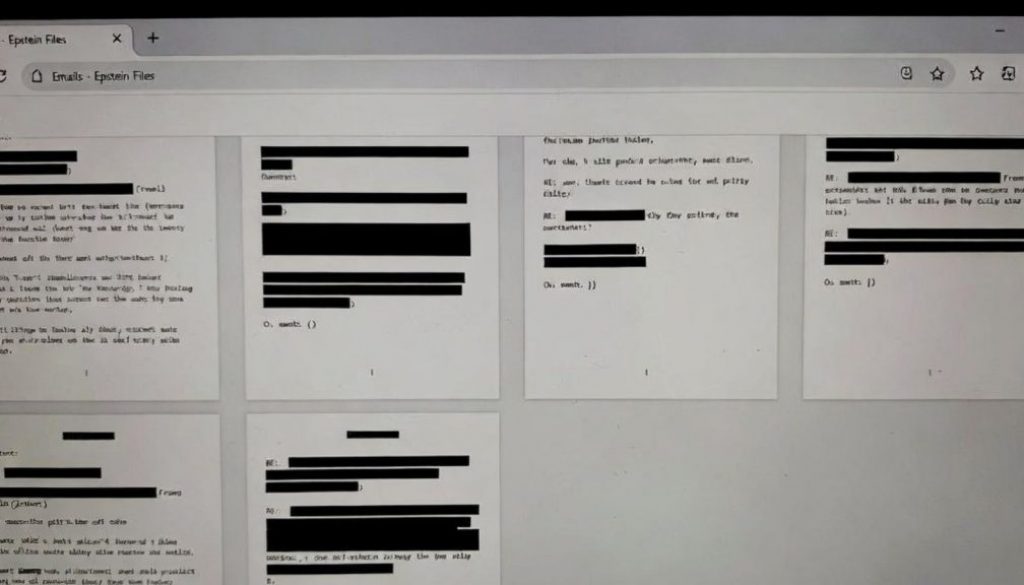
In a historic moment for government transparency, the long‑awaited “Epstein Files” were finally released to the public yesterday—consisting almost entirely of thick, luxurious black redaction bars that experts are already calling “the most revealing blackout rectangles of the decade.”
The 4,000‑page document dump, which officials promised would “shine a light on everything,” instead resembles a minimalist art exhibition curated by someone who hates both light and information. Analysts spent the morning squinting at the pages, hoping a stray adjective or un‑blacked‑out comma might offer insight. Instead, they found a single visible word: “the.”
“That’s more than we expected,” admitted one transparency advocate, who described the release as “a bold step forward in the government’s ongoing commitment to telling us absolutely nothing.”
The public reaction has been mixed. Some citizens expressed outrage, insisting the files must contain explosive revelations. Others praised the government for finally releasing documents that can be enjoyed by people who prefer their scandals in sleek, matte‑black formatting.
A small but vocal group of modern art critics has already declared the files “a masterpiece of negative space,” with one gallery offering to display Page 237—an entirely black sheet except for a faint smudge believed to be either a printing error or the last surviving trace of accountability.
Officials defended the heavy redactions, explaining that revealing certain names could “jeopardize national security, international relations, and several very expensive dinner reservations.” They also confirmed that a second batch of documents will be released next month, promising “even more black bars, and possibly a semicolon.”
For now, the public is left to interpret the documents’ deep, inky silence—proof, perhaps, that sometimes the darkest secrets are best expressed in literal darkness.