NHS Unveils Radical New Treatment: Compulsory Queuing Therapy
In what officials are calling the most transformative NHS initiative since the invention of the form-in-triplicate, the health service has launched Mandatory Queuing Therapy (MQT), a pioneering approach that turns waiting into actual medical treatment.
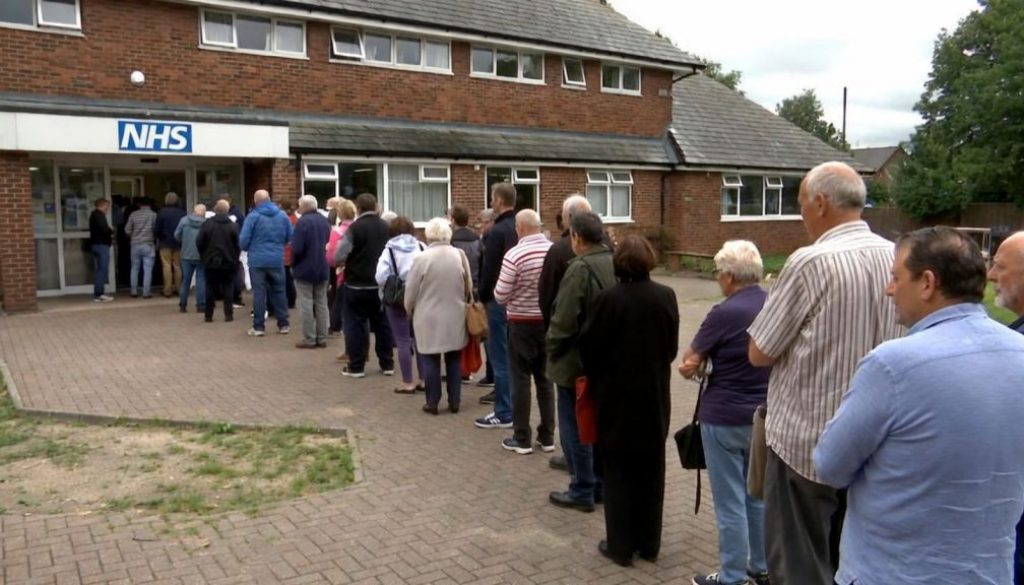
Health Secretary Sir Reginald Clipboard unveiled the scheme outside a rain-lashed GP surgery in Croydon, declaring: “We’ve listened to patients. They love queues. So we’re prescribing them.”
Under MQT, every referral now begins with a compulsory 18-month minimum wait in a purpose-built “Therapeutic Queue Zone” – essentially a very long Tesco car park with numbered bollards and a single Portaloo. Participants receive daily micro-doses of British stoicism: lukewarm tea, a copy of the 2019 Patient Charter (in Comic Sans), and occasional motivational announcements over tinny speakers (“Queue number 47,842 – your despair is valid”).
Early adopters report miraculous results. Derek Fotheringay, 68, of Basildon, claims his chronic back pain vanished after only 14 months of standing in drizzle. “The existential dread took my mind right off the sciatica,” he explained, proudly displaying his MQT completion certificate (laminated, naturally).
NHS England chief Dame Penelope Form-Filling defended the programme against critics who call it cruel. “This isn’t delay – it’s exposure therapy for impatience. We’re curing entitlement one shuffled foot at a time. Besides, private healthcare users miss out on the full community experience: sharing Werther’s Originals with strangers at 3 a.m. and debating whether the rain constitutes ‘inclement weather’ or just ‘weather’.”
The pilot phase has already freed up 14 hospital beds – mostly because patients gave up and went home. Plans for expansion include “Queue Plus” (premium wristband with occasional chair access) and “Express Despair” fast-track for the terminally optimistic.
Sir Reginald concluded the press conference by queuing politely for his own car. “See? It works.”